Cold and Raw the North Winds Blow
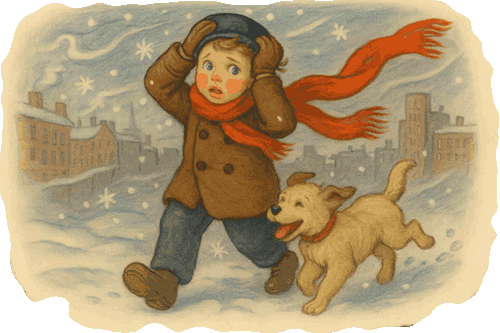
Cold and raw the north winds blow
Bleak in the morning early,
All the hills are covered with snow,
And winter's now come fairly.

Cold and Raw the North Winds Blow is a popular nursery rhyme that has been passed down through generations.
Origin
“Cold and Raw the North Winds Blow” is older than most nursery rhymes in circulation today. It began as a 17th-century English folk song — not originally written for children. The melody was arranged by Thomas d’Urfey and appeared in his Wit and Mirth collections of the 1680s. Queen Mary II was even said to prefer this tune played to her at supper.
Only later — after being shortened and simplified — did it migrate into the nursery.
Meaning
The phrase “cold and raw” describes not just chilly weather, but a bitter, bone-cutting cold — the kind that made survival uncertain for the poor. Many early rhymes did not soften reality. They reflected life as it was: harsh winters, thin clothing, real hunger.
So while modern ears might hear a seasonal jingle, its original tone carries something closer to exposed vulnerability than coziness. Some historians even read it as a subtle portrait of rural hardship and dependence on nature’s mercy.
1. A simple retelling
The rhyme describes a cold winter morning where snow covers the hills and the harsh north wind blows.
2. The characters
No direct characters — just a narrator observing the winter weather.
3. Setting
A wintry outdoor landscape, likely rural hills covered in snow.
4. Theme
The power of nature and the starkness of winter.
5. Moral
No explicit lesson — more a reflection of seasonal hardship.
