Bees
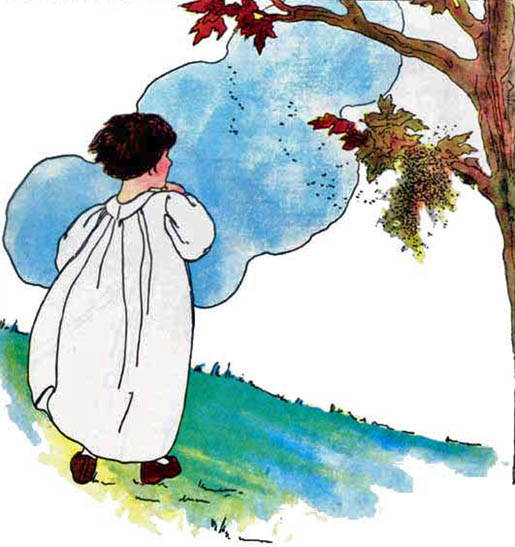
A swarm of bees in May
Is worth a load of hay;
A swarm of bees in June
Is worth a silver spoon;
A swarm of bees in July
Is not worth a fly.
Origins
This isn’t originally a nursery rhyme — it’s an old English country proverb, going back at least to the 1600s or earlier. Beekeeping was common on farms, and people paid close attention to when bees swarmed, because a swarm meant profit. The rhyme was simply a way to remember the value of catching them at the right time.
Meaning
In short: earlier is better.
-
A May swarm has the whole summer ahead → lots of honey → money.
-
A June swarm is still good.
-
By July, it’s too late — not worth the trouble to keep.
This rhyme is pure practical wisdom, not fantasy. It shows how closely people once lived with the seasons — to the point where even the bees had a financial calendar.
Victorian children’s books often included short sayings like this, mixing nature knowledge with poetry. Even city children were expected to learn something about the countryside — and rhymes like this helped pass the knowledge on without feeling like a lesson.
The rhyme still appears in Mother Goose collections today, even though most modern readers no longer keep bees. What keeps it alive is its beautiful rhythm — and its glimpse into a world where a child would know exactly why a swarm in May could make a family’s year.
1. A simple retelling
The rhyme explains that a bee swarm is most valuable in May, still worthwhile in June, and useless by July.
2. The characters
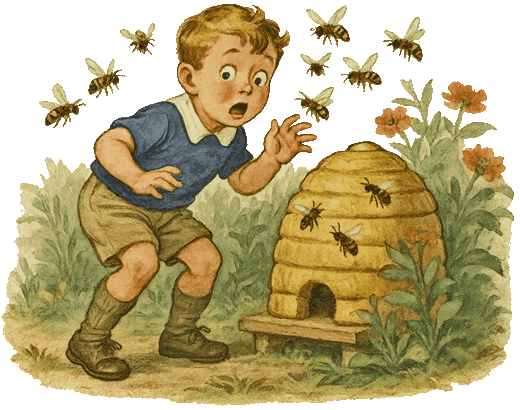
No named characters — just bees and the farmer or beekeeper implied.
3. Setting
Rural countryside connected to farming and beekeeping.
4. Theme
Seasonal timing and practical wisdom about harvests and nature.
5. Moral
Timing matters — acting early brings the best results.
