If Wishes Were Horses
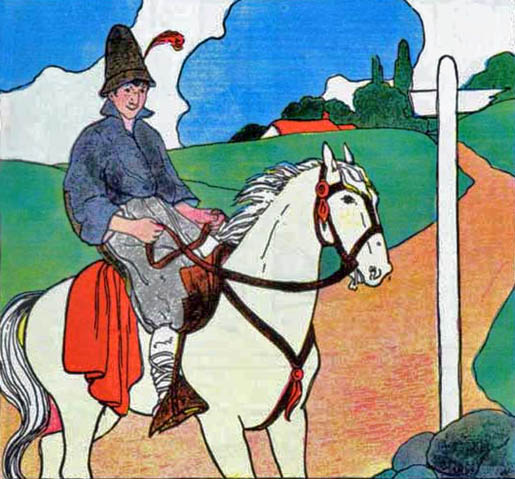
If wishes were horses, beggars would ride.
If turnips were watches, I would wear one by my side.
And if “ifs” and “ands”
Were pots and pans,
There’d be no work for tinkers!
Origins
This rhyme comes straight out of old English proverb tradition. It was first recorded in the 1600s and was never meant for babies — it was more of a wry adult observation. Back then, people didn’t romanticize poverty or dreaming. The line “If wishes were horses, beggars would ride” basically says: wishing alone changes nothing — if it did, the poorest would already be rich.
Meaning
This is one of the most practical nursery rhymes ever written. It quietly mocks empty hoping. Beggars don’t ride — therefore wishes don’t become reality just because you want them to. The turnip watch and pots-and-pans line push the point even further: if imagination replaced labor, trades like tinkers would be unnecessary. It’s reality slapping daydreams back into place.
Rhymes like this were not originally for play. They were spoken aloud to deliver sharp common sense. This one comes from a world where survival depended on work, not fantasy. Tinkers — mentioned in the last line — were traveling repairers of pots and kettles, essential in that era. The poem is humorous, but to anyone of the time, it rang absolutely true.
1. A simple retelling
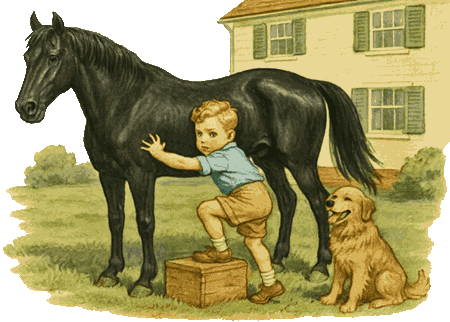
The rhyme imagines a world where wishes turn into real things — horses, watches, and household items — and points out, with humor, that life doesn’t work that way.
2. The characters
- Main character: The speaker making the observations.
- Others: Beggars, tinkers (mentioned indirectly).
3. Setting
Not specified — the rhyme speaks in proverbs rather than describing a place.
4. Theme
Wishing alone does not change reality; practical work still matters.
5. Moral
Possible lesson: Dreams are fine, but effort is what makes things happen.
