Jack Jelf
Little Jack Jelf
Was put on the shelf
Because he could not spell "pie";
When his aunt, Mrs. Grace,
Saw his sorrowful face,
She could not help saying, "Oh, fie!"
And since Master Jelf
Was put on the shelf
Because he could not spell "pie,"
Let him stand there so grim,
And no more about him,
For I wish him a very good-bye!
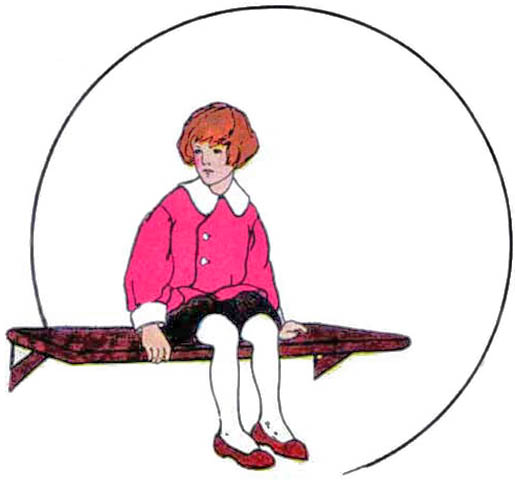
This rhyme appeared in 19th-century nursery collections such as Mother Goose’s Melodies and The Nursery Rhymes of England. It carries the playful tone of early moral verses, where humor and mild scolding walked hand in hand. Jack Jelf is a typical Victorian “naughty-but-lovable” child — one who earns a light punishment but not without sympathy.
The verse pokes fun at childish failure without any real cruelty. Jack’s crime? He can’t spell “pie,” which is both ridiculous and oddly fitting — a word every hungry child might know better by taste than by letters. The rhyme gently reminds children to learn their lessons, but it does so with a wink. The closing “good-bye” feels more like a chuckle than a reprimand.
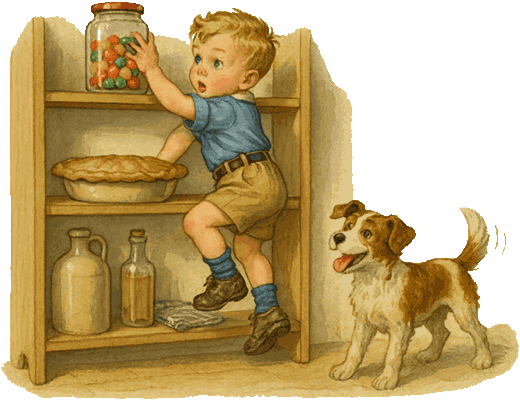
1. A simple retelling
Jack Jelf is placed on a shelf because he cannot spell the word “pie,” and his aunt scolds him gently before the rhyme dismisses him with a humorous farewell.
2. The characters
- Main character: Jack Jelf
- Other character: Aunt Mrs. Grace
3. Setting
Not specified — likely a Victorian household.
4. Theme
Lighthearted discipline and the humor of childish mistakes.
5. Moral
Possible lesson: Learning and paying attention matter, but mistakes are part of growing up.
