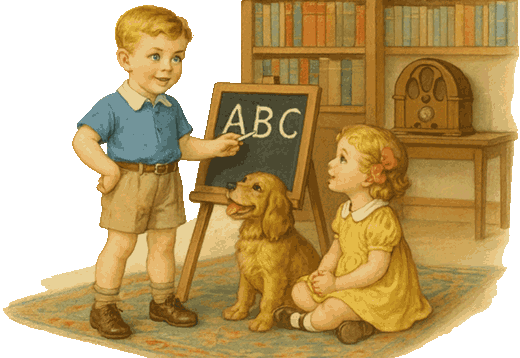
The Alphabet
A, B, C, and D,
Pray, playmates, agree.
E, F, and G,
Well, so it shall be.
J, K, and L,
In peace we will dwell.
M, N, and O,
To play let us go.
P, Q, R, and S,
Love may we possess.
W, X, and Y,
Will not quarrel or die.
Z, and ampersand,
Go to school at command.
Origins
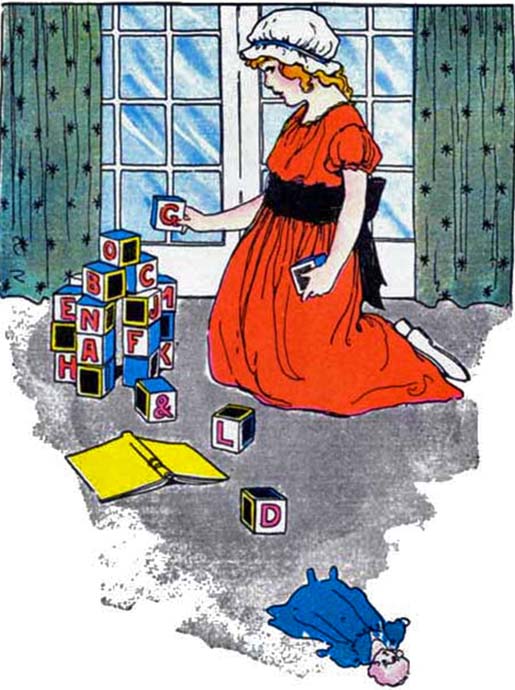
This version of The Alphabet dates back to the late 1700s, when children first learned their letters from wooden “hornbooks” and rhymes. Instead of being a memory aid like the modern alphabet song, this one is more of a moral verse—teaching friendship, peace, and obedience alongside the ABCs. It appeared in early chapbooks and primers, where learning was often mixed with short, virtuous lessons.
This little rhyme feels like something a clever old teacher made up to keep peace in her classroom. She didn’t just want her pupils to learn their letters — she wanted them to get along. So she turned the alphabet into a bunch of well-behaved children: polite, helpful, and ready to “go to school at command.” It’s the ABCs of good manners disguised as a game.