Hickety, Pickety, My Black Hen
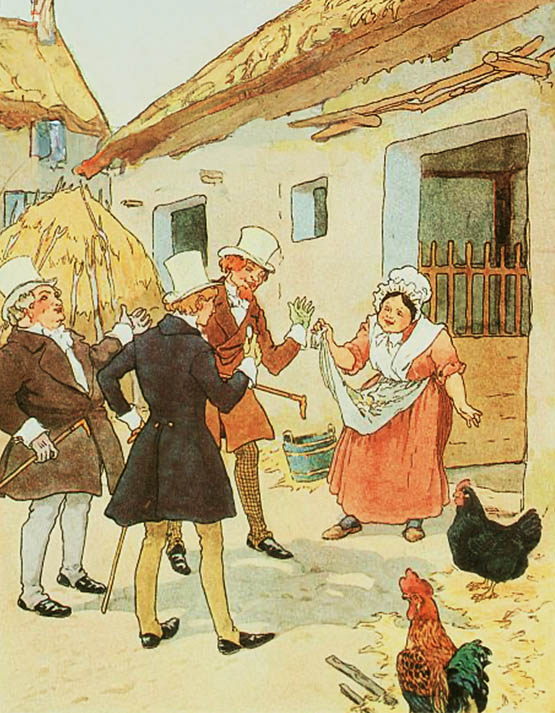
Hickety, pickety, my black hen,
She lays eggs for gentlemen.
Gentlemen come every day,
To see what my black hen doth lay.
Origins
The origins of Hickety, Pickety, My Black Hen are uncertain, but it is believed to have originated in the 18th century. The first known written reference to this rhyme is in the late 19th century and it was included in some nursery rhyme collections published in the late 19th and early 20th century.
Meaning
The meaning of this rhyme is not entirely clear, but it is thought to be a playful and nonsensical rhyme with no hidden meaning. Some scholars have suggested that the rhyme may have been used as a counting song or a way to teach children to count.
It was often used in the game “Mother, May I?” where players asked the “mother” for permission to take certain actions, such as “Mother, may I take one giant step forward?” and the mother responds with “Hickety, pickety, my black hen. She lays eggs for gentlemen. Yes, you may take one giant step forward.”
Fun Fact
A fun fact is that there is a variation of this rhyme in which the words “Hickety, pickety” were replaced by "Hiccupitty, Pickupitty".
Despite its age, this rhyme remains popular to this day and is still enjoyed by children and adults alike. It serves as a reminder of the simple pleasures of childhood and the power of nursery rhymes to bring people together across generations.