Mary's Canary
Mary had a pretty bird,
Feathers bright and yellow,
Slender legs—upon my word,
He was a pretty fellow!
The sweetest note he always sung,
Which much delighted Mary.
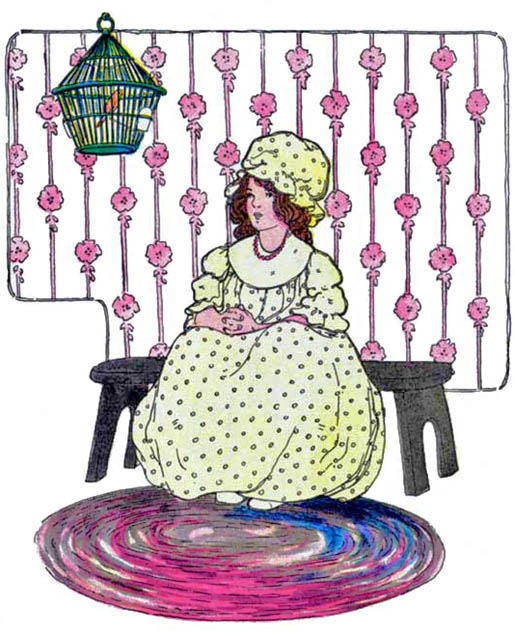
She often, where the cage was hung,
Sat hearing her canary.
Origins and Historical Background
At a time when keeping a caged songbird such as a canary was common in households, rhymes about children and their pet birds were popular in children’s books. The version with the lines about a “bright and yellow” bird and a child named Mary was among those included in compilations designed for families and schools. Over time, this simple verse made its way through various printings, keeping its gentle tone and domestic charm.
Meaning and Mood
Rather than presenting a puzzle or a moral dilemma, Mary’s Canary offers a calm, comforting scene — a child and her pet, enjoying the simple pleasure of song. The canary is described as bright in color and lovely in song, and the emphasis lies in the stillness and delight of quiet companionship.
In a household where children may have had limited contact with nature, a pet canary — its color, its trembling legs, the cheerful warble — would have been a living connection to the outside world and to songs heard in the countryside. The rhyme captures that connection: a fleeting domestic moment turned into rhyme, preserved across generations. There is no hidden allegory, no riddle or dramatic twist — merely warmth, innocence, and a gentle celebration of small joys.
1. A simple retelling
Mary owns a bright yellow canary who sings sweetly, and she loves sitting by his cage to listen to him.
2. The characters
- Main character: Mary
- Others: Her canary
3. Setting
Not clearly stated, though it appears to take place indoors where the birdcage is hung.
4. Theme
The quiet companionship and delight a child finds in a beloved pet.
5. Moral
No explicit moral — the rhyme simply celebrates affection and gentle daily joy.