A, B, C, D, E, F, G
A, B, C, D, E, F, G,
H, I, J, K, L, M, N, O, P,
Q, R, S, and T, U, V,
W, X, and Y and Z.
Now I've said my A, B, C,
Tell me what you think of me.
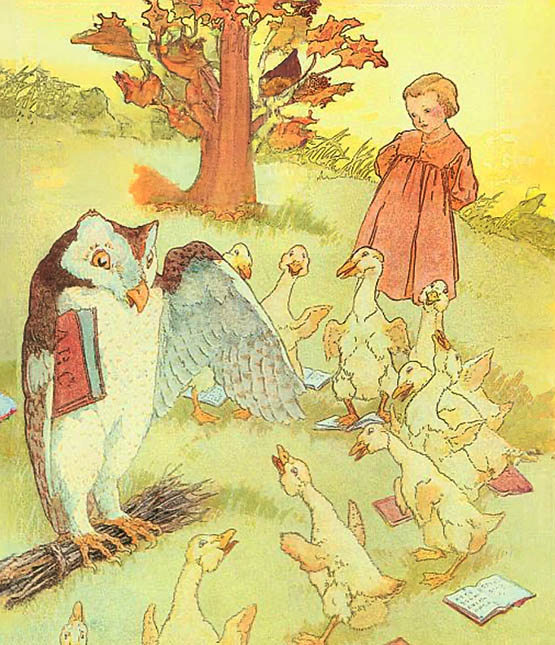
A version from British 18th-century British schoolbooks:
A, B, C, and D,
Pray, child, learn them with me;
E, F, and G,
H, I, J, K, L, M, N, O, P;
Q, R, and S,
And T, U, V;
W, X, with Y and Z —
This is the Alphabet, you see.
Learning the Alphabet
Today, almost every child learns the alphabet through the familiar song sung to the tune of Twinkle, Twinkle, Little Star.But before the melody was borrowed, the alphabet appeared as a spoken rhyme. One of the earliest printed versions from the late 18th century ends with the teasing line: “Tell me what you think of me.” That little joke turned the otherwise repetitive task of memorizing letters into a game — something to smile at, not just recite.
Origins

The rhyme itself is older than the song. Early primers and schoolbooks often printed the alphabet in verse form to make it easier to recite. The idea was simple: rhythm and rhyme help memory stick.
The tune came later. The French melody Ah! vous dirai-je, maman, first printed in 1761, was already well known across Europe. In the early 19th century, educators paired the English alphabet with the tune, and the sung version quickly replaced the spoken one.
A Teaching Tool
The closing line — “Tell me what you think of me” — shows that this rhyme was never just a stiff lesson. It invited response, laughter, and participation. In doing so, it helped the alphabet step out of the classroom and into nursery culture, becoming one of the most recognizable learning tools in the world.
1. A simple retelling
A child recites the alphabet from start to finish and ends with a playful question, turning the exercise into a small game.
2. The characters
Only one character is implied: the child practicing the alphabet.
3. Setting
No clear setting, though it fits naturally into a schoolroom or learning-at-home moment.
4. Theme
Learning letters through rhythm, repetition, and playful curiosity.
5. Moral
Learning becomes easier — and more memorable — when it feels fun instead of serious.