Deedle, Deedle, Dumpling
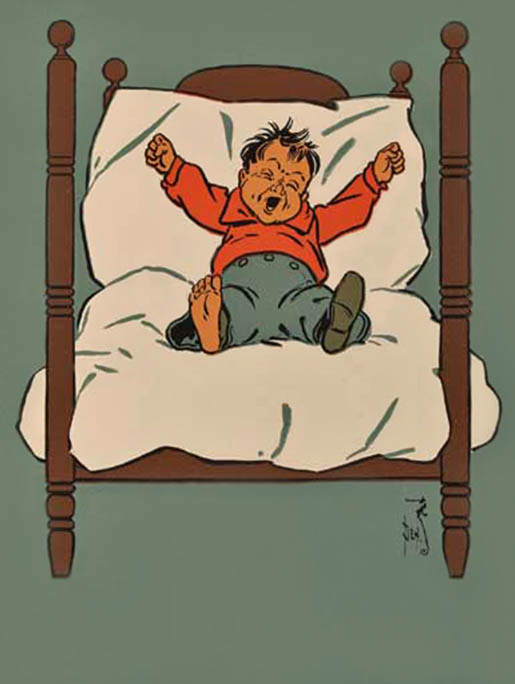
Deedle, deedle, dumpling, my son John,
Went to bed with his trousers on;
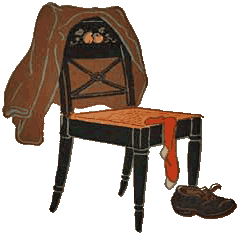
One shoe off, the other shoe on,
Deedle, deedle, dumpling, my son John.
Origins
This rhyme has been around for centuries. James Halliwell included it in his mid-19th-century collections, but it likely circulated long before that in oral tradition. In some early versions, the boy’s name changes — sometimes “Joe” or “Jack” instead of John — and the nonsense opening is written “diddle” rather than “deedle.” Whatever the spelling, the rhythm is what mattered.
 Like many old rhymes, it doesn’t come with a backstory. It probably began as a domestic chant — something parents recited at bedtime, where the humor comes from a child’s haphazard way of getting ready for sleep.
Meaning
The verse doesn’t teach a moral lesson. It’s funny because it paints an instantly recognizable picture: a child tumbling into bed half-dressed, with mismatched shoes and trousers still on. Children love the absurdity, and parents could laugh because it was close to everyday truth.
The nonsense phrase “deedle, deedle” has no literal meaning, but it gives the rhyme its sing-song quality, making it fun to repeat. It belongs to the same family of sound-play as “hey diddle diddle” or “diddle dumpling.”
1. A simple retelling
A child named John goes to bed still wearing trousers, with one shoe off and the other still on.
2. The characters
Main character: the child, John
Implied character: the parent or narrator describing the scene
3. Setting
A bedtime moment at home, likely just before sleep.
4. Theme
Playful chaos and the everyday humor of childhood habits.
5. Moral
No moral — it’s simply a funny, memorable snapshot of a child’s bedtime mishaps.