My Kitten
Hey, my kitten, my kitten,
And hey, my kitten, my deary!
Such a sweet pet as this
Was neither far nor neary.
Origins
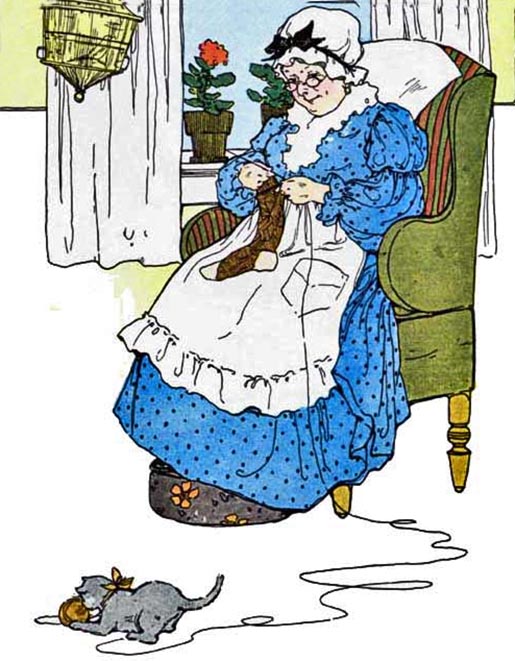
This little verse likely comes from 18th- or early 19th-century England, where short domestic rhymes about pets, play, and affection were common in nursery collections. It’s part lullaby, part love note — the kind of sing-song line a mother or nurse might murmur while a cat curls at a child’s feet.
Meaning
It’s a small tribute to a beloved pet. The language, “far nor neary,” gives it a friendly rustic flavor, as if someone’s speaking from a fireside chair. Like many nursery rhymes, it’s not about plot but about tone — warmth, rhythm, and affection wrapped into four quick lines that make even a mischievous kitten sound like royalty.
1. A simple retelling
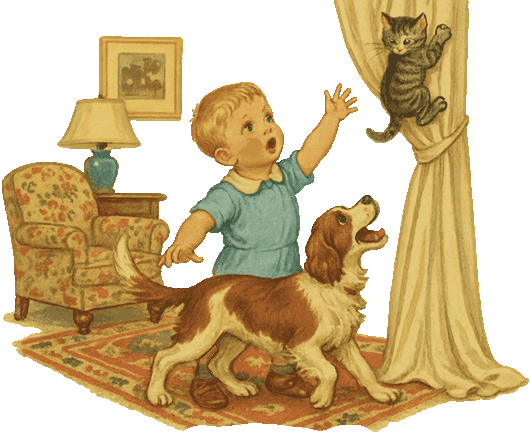
The speaker praises a kitten, calling it a dear pet and claiming no sweeter creature can be found anywhere.
2. The characters
- Main character: The affectionate speaker.
- Other character: The beloved kitten.
3. Setting
Not specified — likely a cozy domestic space where someone enjoys their pet.
4. Theme
Affection and fondness for a cherished animal companion.
5. Moral
No direct moral — it’s simply an expression of love and delight.