T’other Little Tune
I won't be my father's Jack,
I won't be my father's Jill;
I will be the fiddler's wife,
And have music when I will.
T'other little tune,
T'other little tune,
Prithee, Love, play me
T'other little tune.
Origins
This playful old rhyme has been found in English collections since at least the early 1800s. It echoes the countryside love songs and dance tunes that were part of everyday village life. The phrase “t’other little tune” — meaning “the other little tune” — was common rural speech, especially in northern England.
Meaning
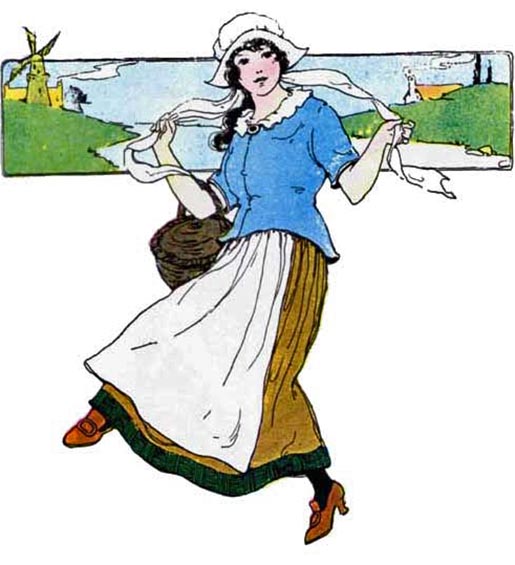
It’s a cheerful bit of rebellion wrapped in rhyme. The young speaker doesn’t want to live by her father’s rules or marry the match he’d choose — she wants joy, music, and freedom. There’s something timeless in her spirit — a spark of freedom, a bit of laughter, and that stubborn joy that says, “I’ll live to my own tune.”