Why May Not I Love Johnny?
Johnny shall have a new bonnet,
And Johnny shall go to the fair,
And Johnny shall have a blue ribbon
To tie up his bonny brown hair.
And why may not I love Johnny?
And why may not Johnny love me?
And why may not I love Johnny
As well as another body?
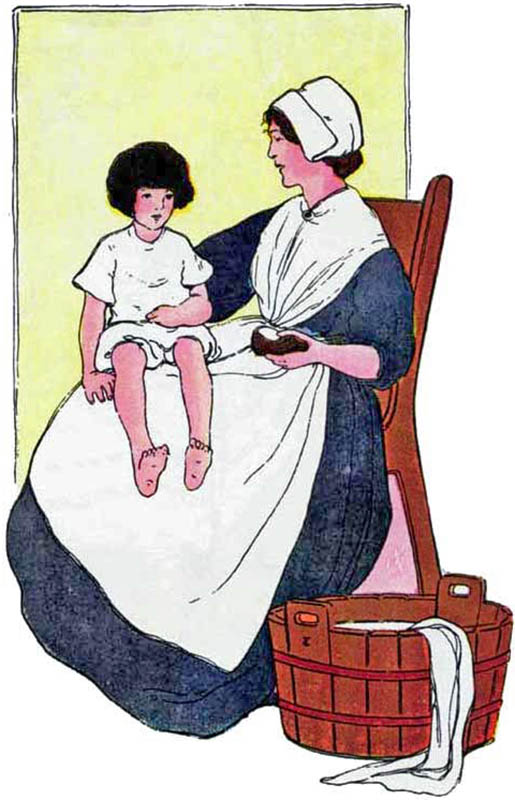
And here's a leg for a stocking,
And here's a foot for a shoe,
And he has a kiss for his daddy,
And two for his mammy, I trow.
And why may not I love Johnny?
And why may not Johnny love me?
And why may not I love Johnny
As well as another body?
Origins
This charming rhyme has appeared in various 18th- and 19th-century collections, often sung as a nursery song or gentle cradle tune. Its language and sentiment suggest Scottish or northern English roots, where “bonny” and “trow” (meaning “believe”) were common expressions of affection. Like many old rhymes, it blurs the line between a child’s verse and a young person’s love song — simple, repetitive, and full of innocent warmth.
Meaning
This rhyme is about simple affection, the kind that doesn’t ask permission or try to sound clever. The speaker loves Johnny, that’s it — and she can’t see why anyone should object. There’s something disarmingly honest about that. Between the talk of ribbons, shoes, and kisses, you can almost hear the small stubbornness of a young heart that knows what it wants.