I Love Sixpence
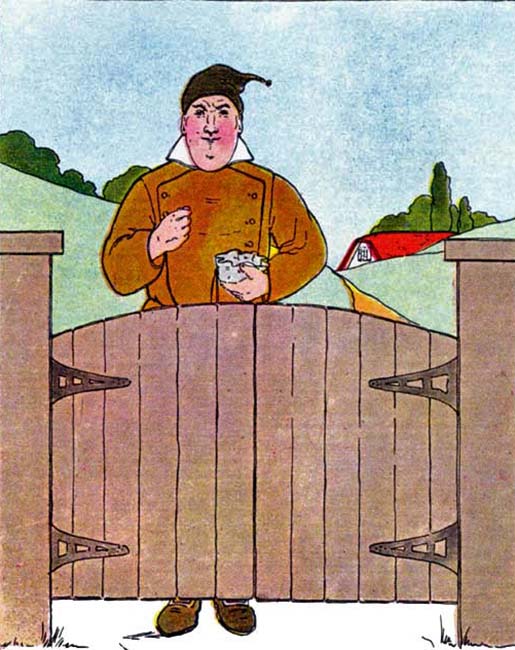
I love sixpence, a jolly, jolly sixpence,
I love sixpence as my life;
I spent a penny of it, I spent a penny of it,
I took a penny home to my wife.
Oh, my little fourpence, a jolly, jolly fourpence,
I love fourpence as my life;
I spent twopence of it, I spent twopence of it,
And I took twopence home to my wife.
Origin
This rhyme is thought to date back to at least the early 19th century as a simple children’s or folk song about coins and modest income. It appears in collections of English children’s songs under titles like “I Love Sixpence / Jolly, Jolly Sixpence.”
The sixpence was a real British coin worth six old pence — not huge, but enough to matter in everyday life. In earlier centuries, it carried extra meaning: small amounts that still counted.
Meaning
The speaker cherishes the coin (“I love sixpence as my life”) but immediately spends part of it and promises to bring the rest home (“I took a penny home to my wife”). It’s not about wealth or luxury; it’s about small earnings, responsibility, and remembrance. The amount is small—but the meaning is clear.
Rhythm & Repetition
The repetition of spending and bringing home creates a kind of rhythm. The verse invites curiosity: what will happen when the coin shrinks? The transition from sixpence down to fourpence in the second verse helps turn the rhyme into a game of numbers as well as words.
In a time when everyday money mattered much more than today’s digital sums, the coin a child might hold could spark a song. This rhyme captures that tight link between small money, family duty (bringing something home to one’s wife or household), and light-hearted play.

1. A simple retelling
The singer celebrates having a small amount of money, spends part of it, and brings the rest home as a gesture of care.
2. The characters
Narrator: the person with the sixpence.
Secondary reference: the wife waiting at home.
3. Setting
A simple everyday setting where small coins and household budgeting matter.
4. Theme
Modest earnings, sharing, and playful counting.
5. Moral
Even small income can be used wisely and generously.