The Blacksmith
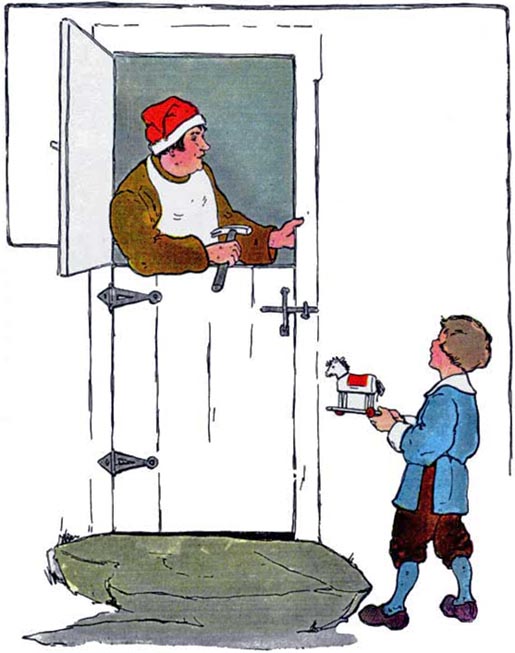
"Robert Barnes, my fellow fine,
Can you shoe this horse of mine?"
"Yes, good sir, that I can,
As well as any other man;
There's a nail, and there's a prod,
Now, good sir, your horse is shod."
Blacksmiths used to be at the heart of every village, long before cars and asphalt took over. If you travelled with a horse, you always needed one eventually — either because a shoe wore loose, or because the road had been unkind.
This little rhyme captures a moment that must once have been completely ordinary: a traveler asking a smith for help and the smith answering with confidence. There’s a rhythm to it that sounds almost like a work song — hammering metal, sparks flying, iron ringing on the anvil.
The name Robert Barnes appears here as if we’re meeting a real person — the dependable village smith who’s seen every kind of hoof, nail, and customer. Maybe he existed. Maybe he’s every blacksmith from memory rolled into one. Either way, the name makes the verse feel lived-in.
And the ending — “There’s a nail, and there’s a prod” — has the feeling of someone brushing their hands off and stepping back with a nod, as if to say, “Right, that’s sorted.”