Where Are You Going, My Pretty Maid
"Where are you going, my pretty maid?"
"I'm going a-milking, sir," she said.
"May I go with you, my pretty maid?"
"You're kindly welcome, sir," she said.
"What is your father, my pretty maid?"
"My father's a farmer, sir," she said.
"What is your fortune, my pretty maid?"
"My face is my fortune, sir," she said.
"Then I can't marry you, my pretty maid."
"Nobody asked you, sir," she said.
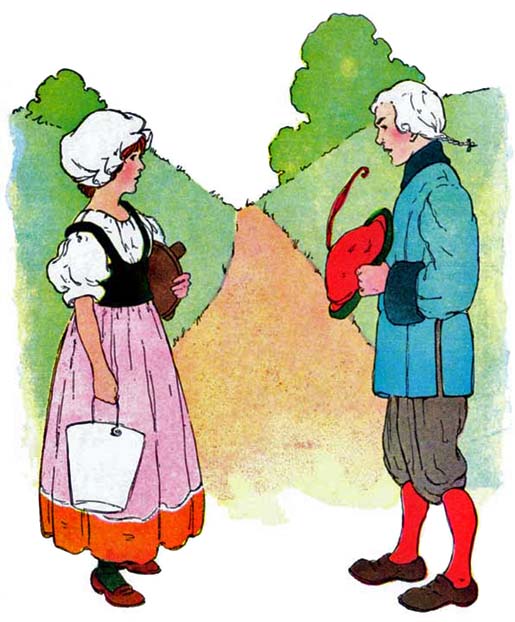
At first glance, Where Are You Going, My Pretty Maid sounds almost stiff with politeness. Every line is a question or an answer, every sentence neatly ended with “sir, she said.” It feels like a calm, respectful exchange between two people who don’t know each other well. But listen a little closer, and the balance starts to shift.
The man does all the asking. He wants to know where she’s going, what her father does, and — most importantly — what kind of fortune she brings with her. The maid answers honestly, without embarrassment or hesitation. She’s going to milk the cows. Her father’s a farmer. Her fortune, as far as she’s concerned, is her face.
That answer changes the tone. It’s practical, maybe a little bold, and not what he was hoping to hear.
When the man announces that he can’t marry her, it sounds like the end of the matter — until she responds. “Nobody asked you.” It’s a quiet line, but it lands hard. With it, the maid reclaims the conversation and shuts it down completely.
1. A simple retelling
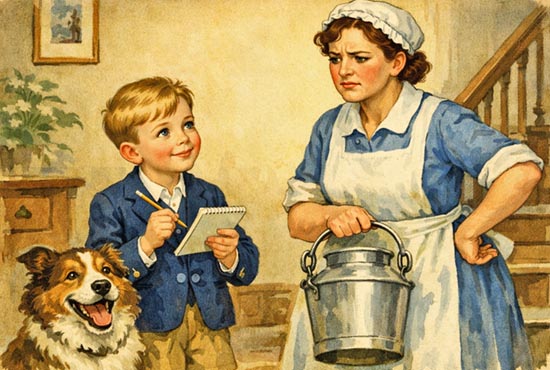
A man questions a young milkmaid about her work, family, and fortune, then dismisses her as unsuitable, only to be sharply answered.
2. The characters
Main character: A young milkmaid
Other characters: A questioning gentleman
3. Setting
Outdoors, in the countryside.
4. Theme
Wit, independence, and social class.
5. Moral
Possible lesson: Confidence and self-respect matter more than wealth.